
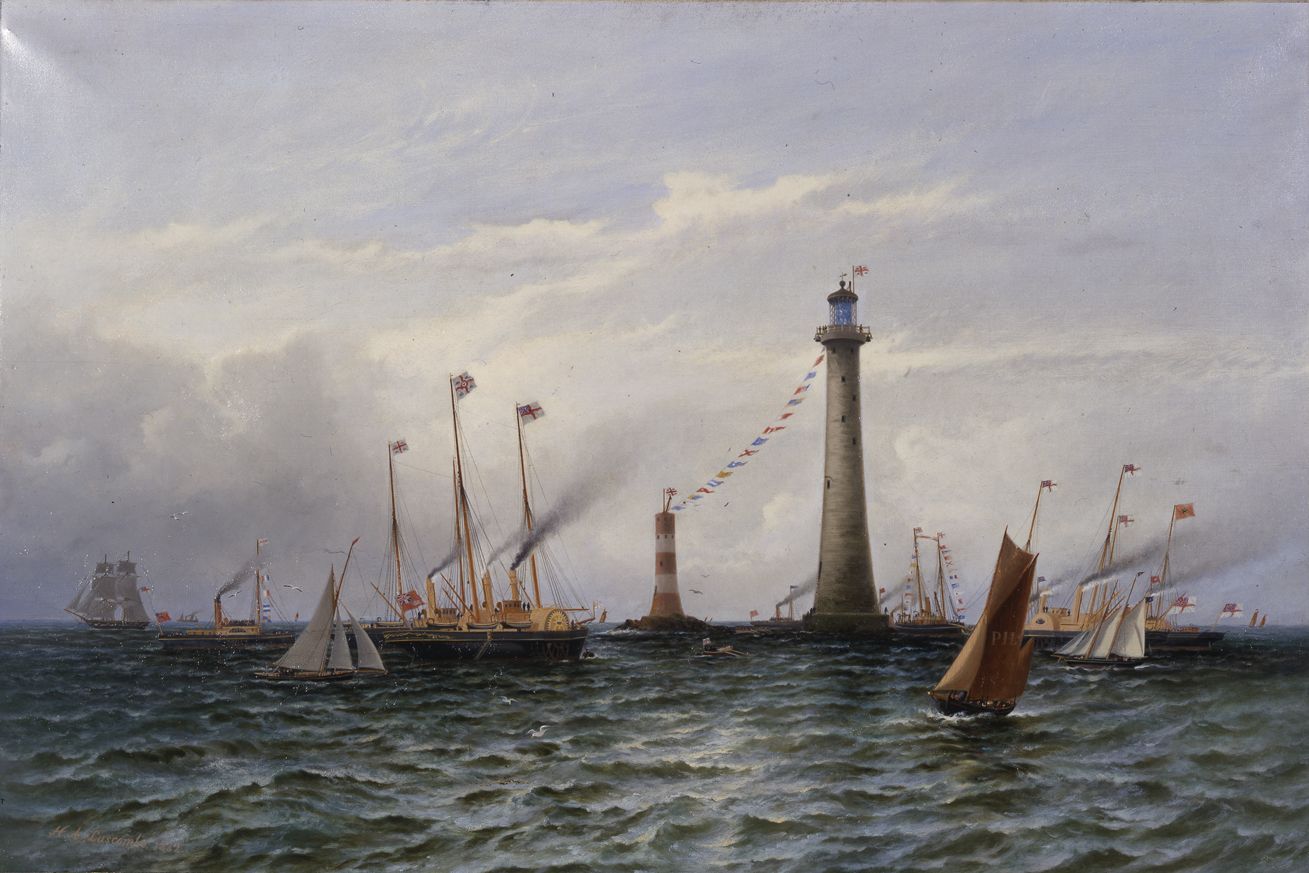
Plymouth is taking centre stage at the very heart of government.
The Box Plymouth has been selected as Museum in Residence at 10 Downing Street for 2026, bringing Plymouth’s extraordinary artistic and maritime heritage to one of the most recognisable addresses in the world.
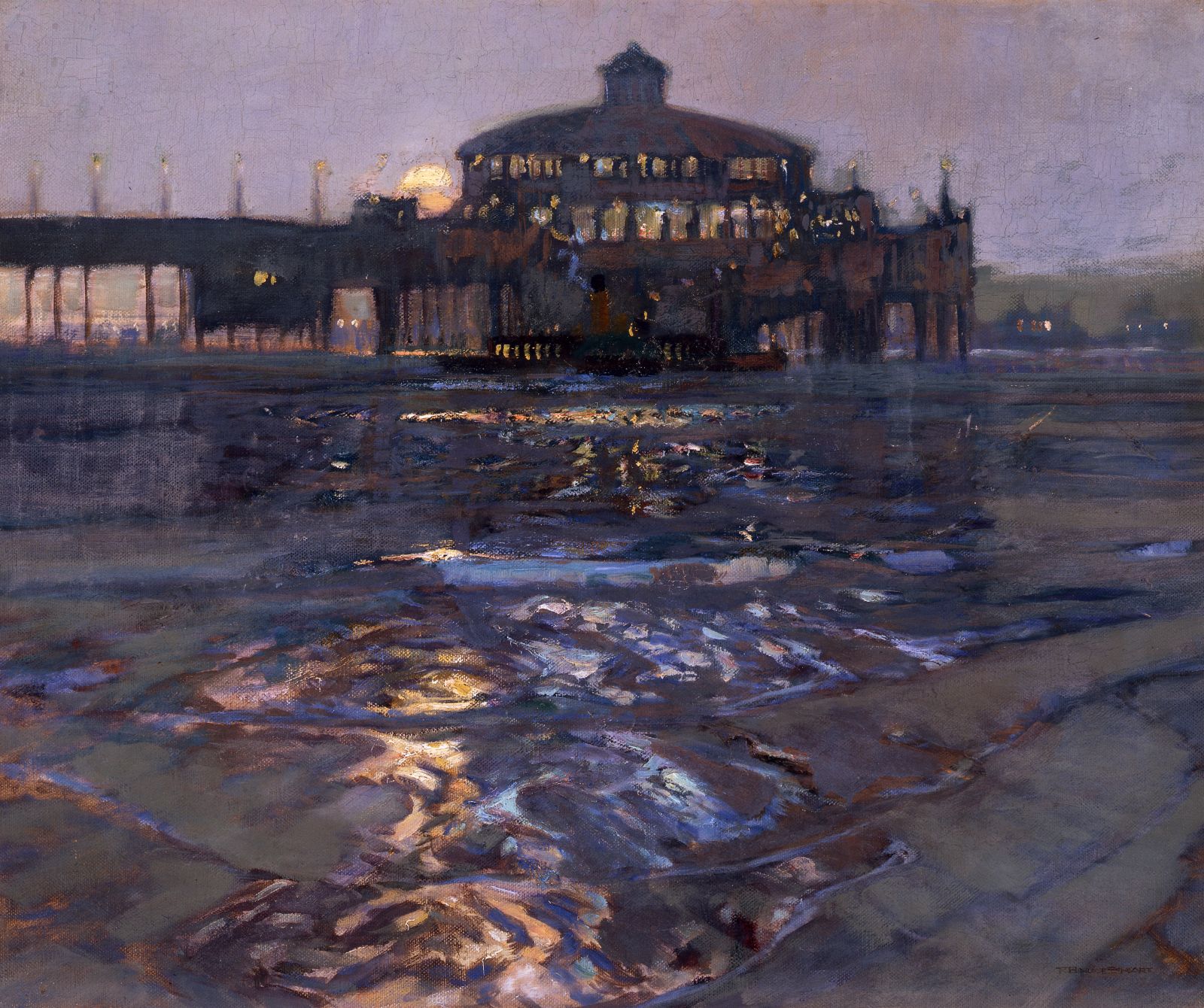
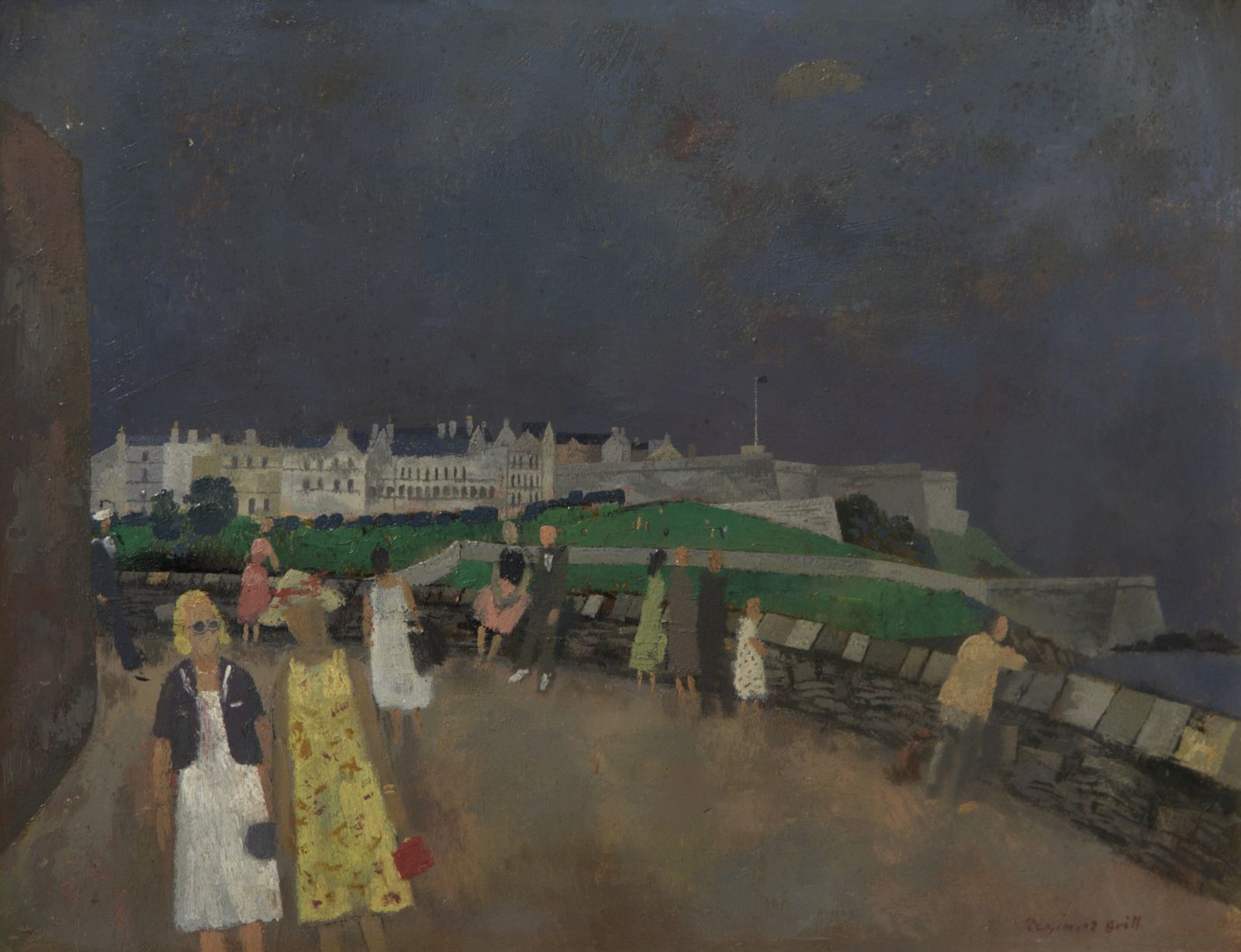
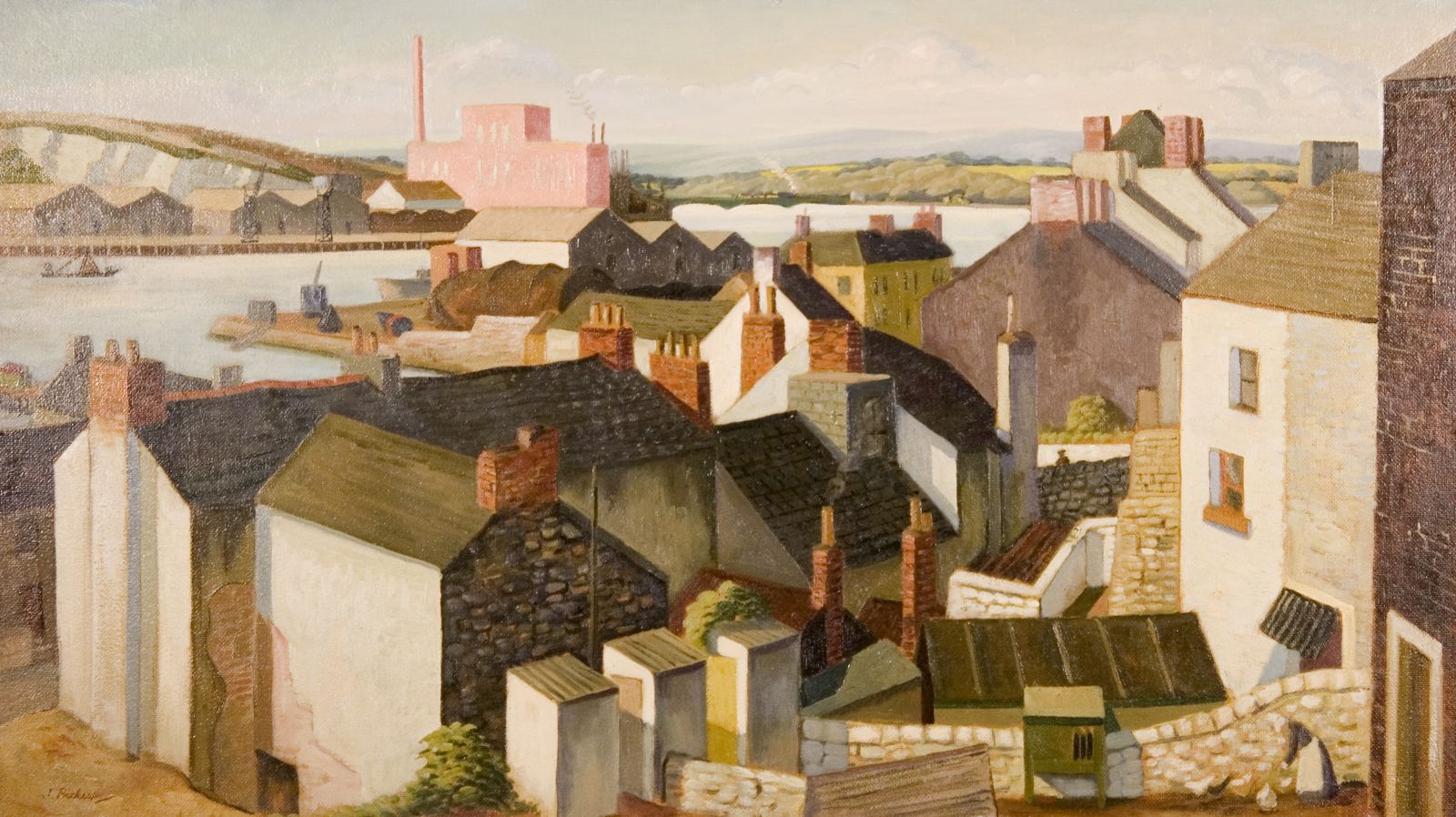
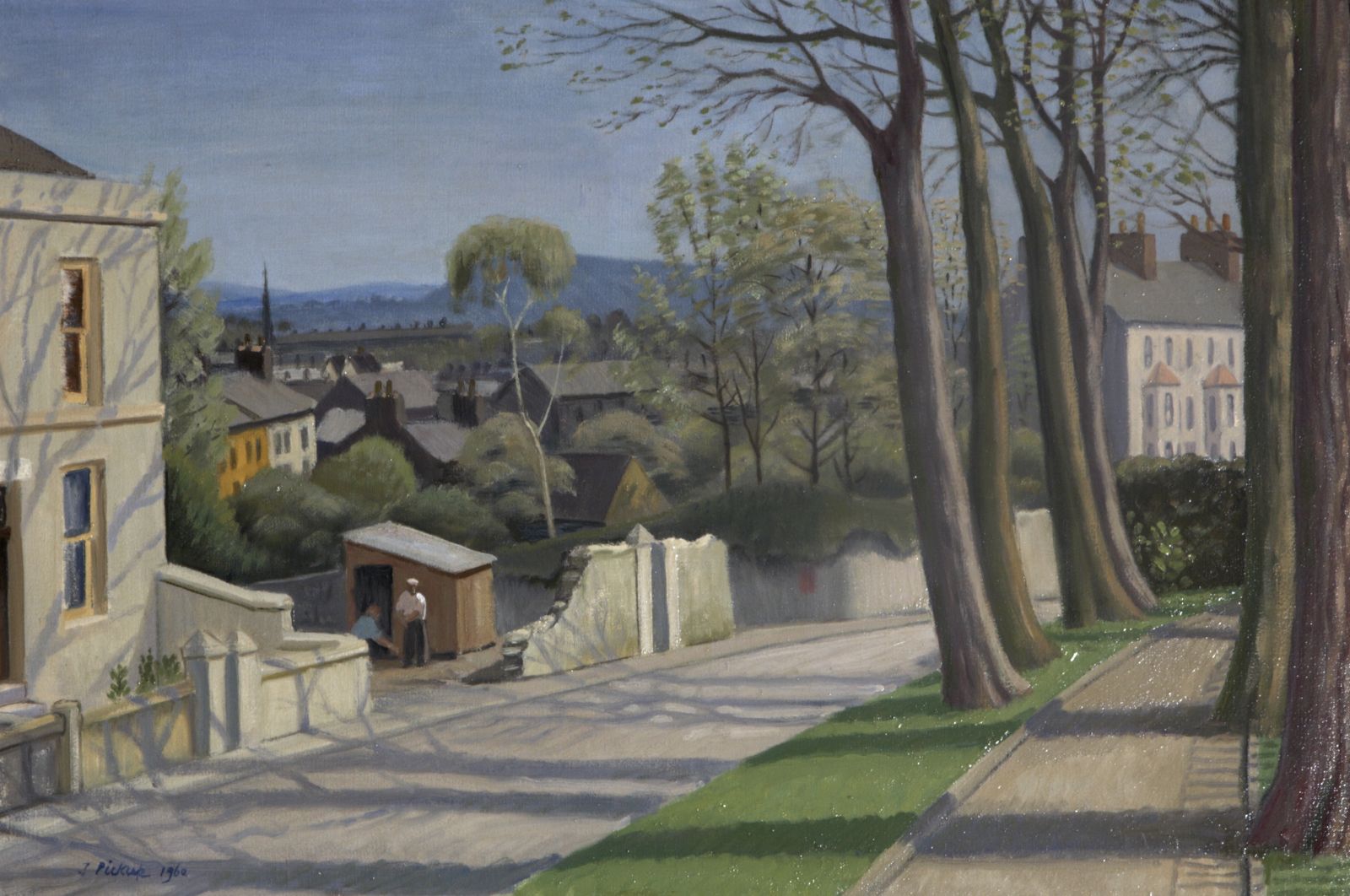
The prestigious partnership with the Government Art Collection will see nine artworks from The Box displayed in Downing Street throughout the year, introducing world leaders, government officials and international visitors to the depth, quality and significance of Plymouth’s collections.
Putting Britain’s Ocean City on the world stage
The works selected have been chosen for the powerful stories they tell about British innovation, resilience and creativity, viewed through Plymouth’s unique lens.
They reflect Plymouth’s role as a global maritime city, a centre of engineering achievement, a place of artistic excellence and a city shaped by conflict, reconstruction and renewal.
From the engineering triumph of the Eddystone Lighthouse to post-war urban transformation and modernist experimentation, the artworks demonstrate that Plymouth’s story isn’t part of Britain’s history – it’s central to it.
A collection that tells a national story
The nine works span more than a century of British art and history, exploring themes of maritime innovation, industry, urban life and artistic ambition.
They include paintings documenting the development of critical infrastructure, the lived experience of Britain’s coastal and industrial communities and Plymouth’s changing cityscape across generations
Together, they show how regional collections hold works of genuine national – and international – importance.
Recognition for regional culture
The Museum in Residence appointment reflects growing recognition that world-class culture exists across the country, not just in the capital.
The Box’s success is rooted in sustained local investment and ambition. Since opening, it has:
- delivered over £100 million in health and wellbeing benefits to communities
- engaged 89% of Plymouth schools through education programmes
- supported the local economy, with 72% of capital investment spent with South West suppliers
- maintained free admission, ensuring culture remains accessible to all
This partnership shows what’s possible when regional cities invest boldly in culture and creativity.
A two-way partnership
As part of the Museum in Residence programme, the partnership also works in reverse. This summer, over 60 works from the Government Art Collection will be displayed at The Box in Plymouth (20 June – 20 September 2026).
The exhibition has been shaped through conversations and workshops with teenagers and young adults from across the city, ensuring that national collections are interpreted through local voices and lived experience. Featured artists will include Alvaro Barrington, Barbara Hepworth and Alberta Whittle, bringing major works to audiences in the South West.
Luke Pollard MP said:
“Plymouth has always punched above its weight, and The Box exemplifies that. From defending the nation to inspiring artists, this city’s contribution to British life deserves recognition.
“Having The Box as Museum in Residence at Downing Street tells the world that Britain’s story isn’t just London’s story – it’s also the story of cities like Plymouth.”
ABOUT THE FEATURED ARTISTS
Alfred Wallis (1855–1942)
A self-taught St Ives artist whose distinctive, naïve maritime paintings influenced Ben Nicholson and the St Ives modernist movement. His work bridges folk art traditions and British modernism.
Stanley Spencer (1891–1959)
One of Britain’s most important 20th-century artists, renowned for his visionary religious works and distinctive approach to landscape and figure painting. His Plymouth work is rarely exhibited.
Charles Ginner (1878–1952)
A Post-Impressionist painter and founding member of the Camden Town Group, known for urban scenes and a distinctive thick impasto technique.
Henry Andrews Luscombe (1820–1898)
A Plymouth artist who documented the city’s maritime heritage and engineering achievements during the Victorian era.
Robert Borlase Smart (1881–1947)
A Plymouth-born artist who captured the city and surrounding Devon landscape during a period of major industrial development.
Jack Pickup (1920–2007)
A Plymouth artist whose work recorded post-war reconstruction and industrial landscapes during Britain’s rebuilding years.